Star Child Care Foundation · Ghana

Stories

Told by the people they belong to.

Every story here is published with the consent of the person in it and their caregiver, with first names only, and with the right to withdraw it at any time.

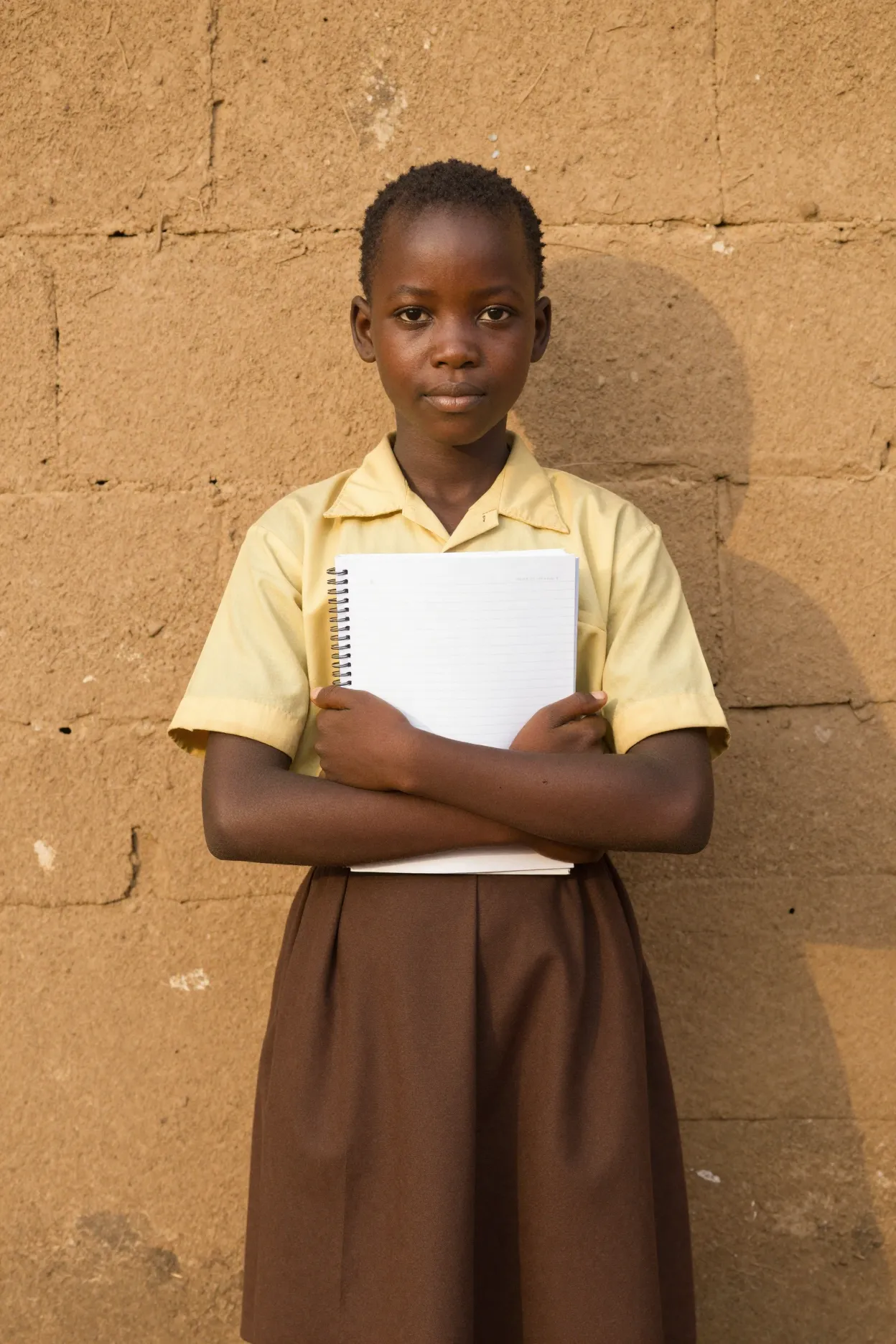
A girl in a yellow and brown school uniform holding her exercise books, standing against a mud-brick wall

Akosua, 12 — Eastern Region

When my father died they told my mother I should go and live at the children’s home in town. I did not want to go. Now the fees are paid and I sleep in my own house.

Akosua’s father died in 2022. Within a month a recruiter from a private residential home had visited the household twice. Her mother joined a savings group in 2023 and now sells prepared food at the junction; the household has paid its own school costs since last September. Akosua sat her final primary exams in June and wants to train as a midwife.

More from our communities

Five years of work, told by a child, a grandmother, a teacher and a whole community.

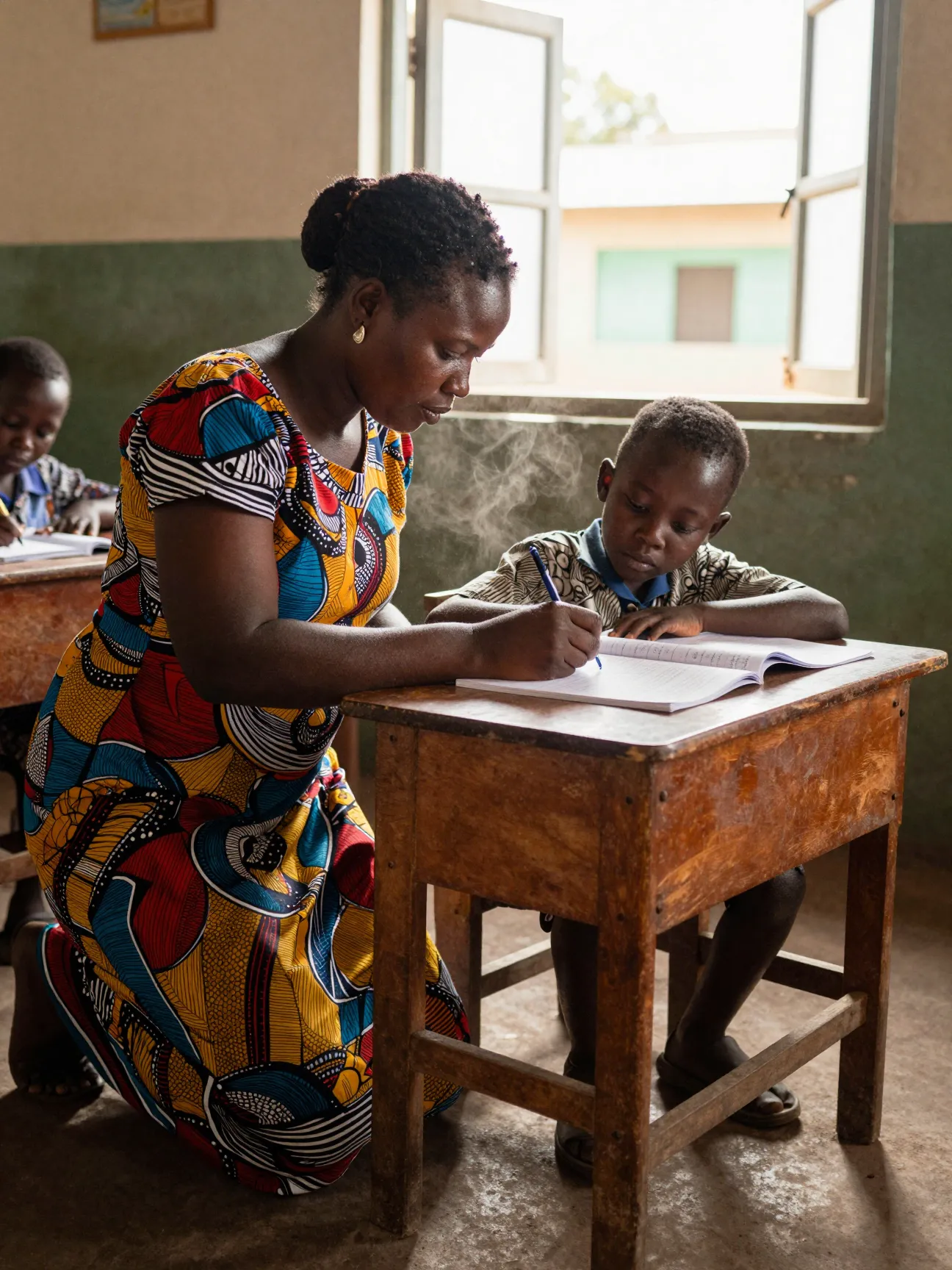
A teacher kneels beside a boy at a wooden desk, guiding his hand as he writes

Kwabena, 14 — Volta Region

He lost a year, and then he caught it up

Kwabena stopped school in class four when his mother’s trading stock was stolen. He returned eighteen months later, two years behind the other children and too embarrassed to read aloud. He spent a year in a catch-up class of nine pupils after the school day. He is now in junior high, in the right year group.
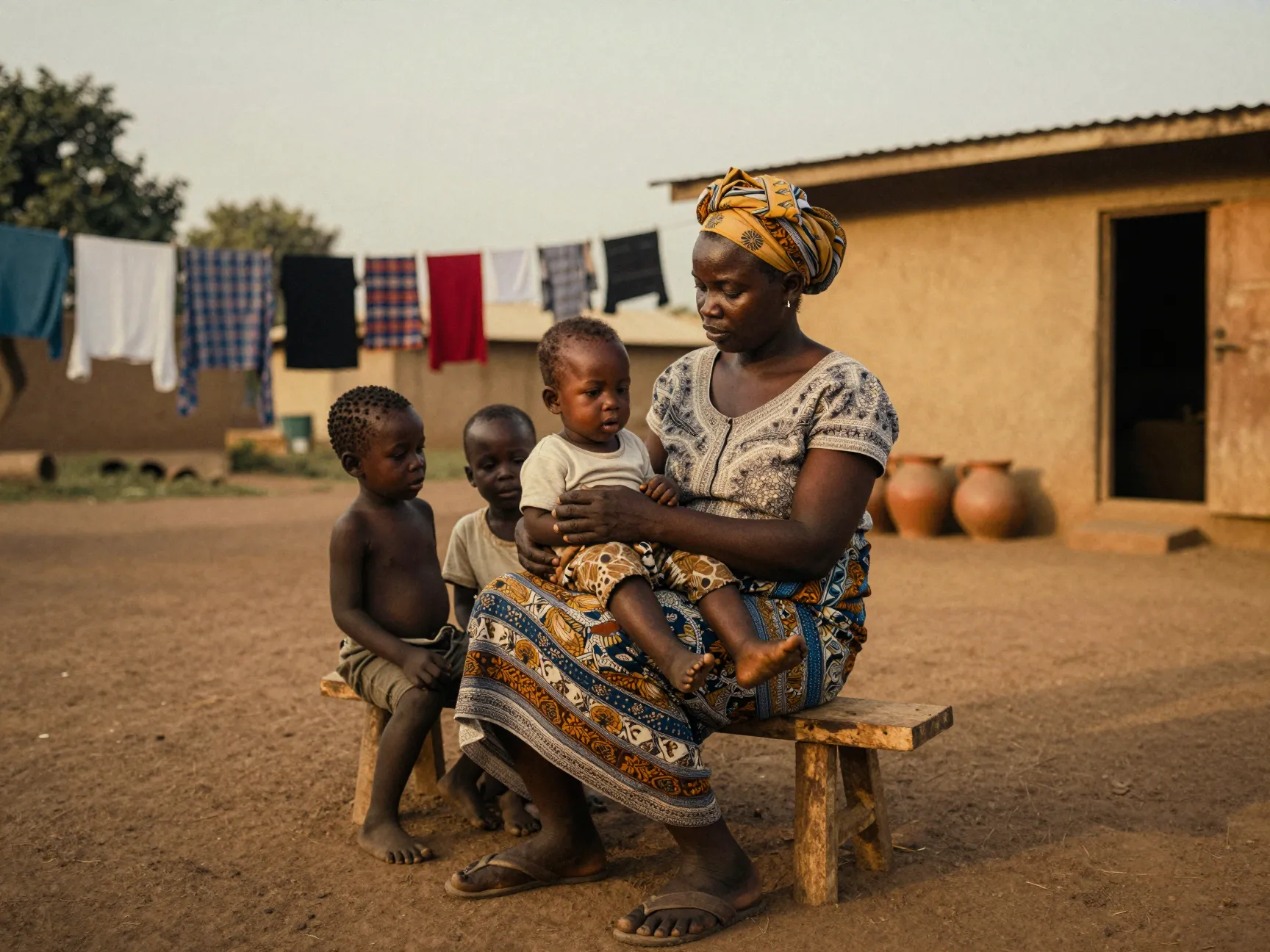
A caregiver sits on a low bench in a compound courtyard with three young children

Madam Afua — Eastern Region

Three grandchildren and a cassava plot

Madam Afua took in three grandchildren in 2021 after their mother travelled for work and did not return. She was 63 and farming half an acre. Her savings group lent her the money for a grinding mill; she now mills for the whole community on market days, and all three children are in school on her income.

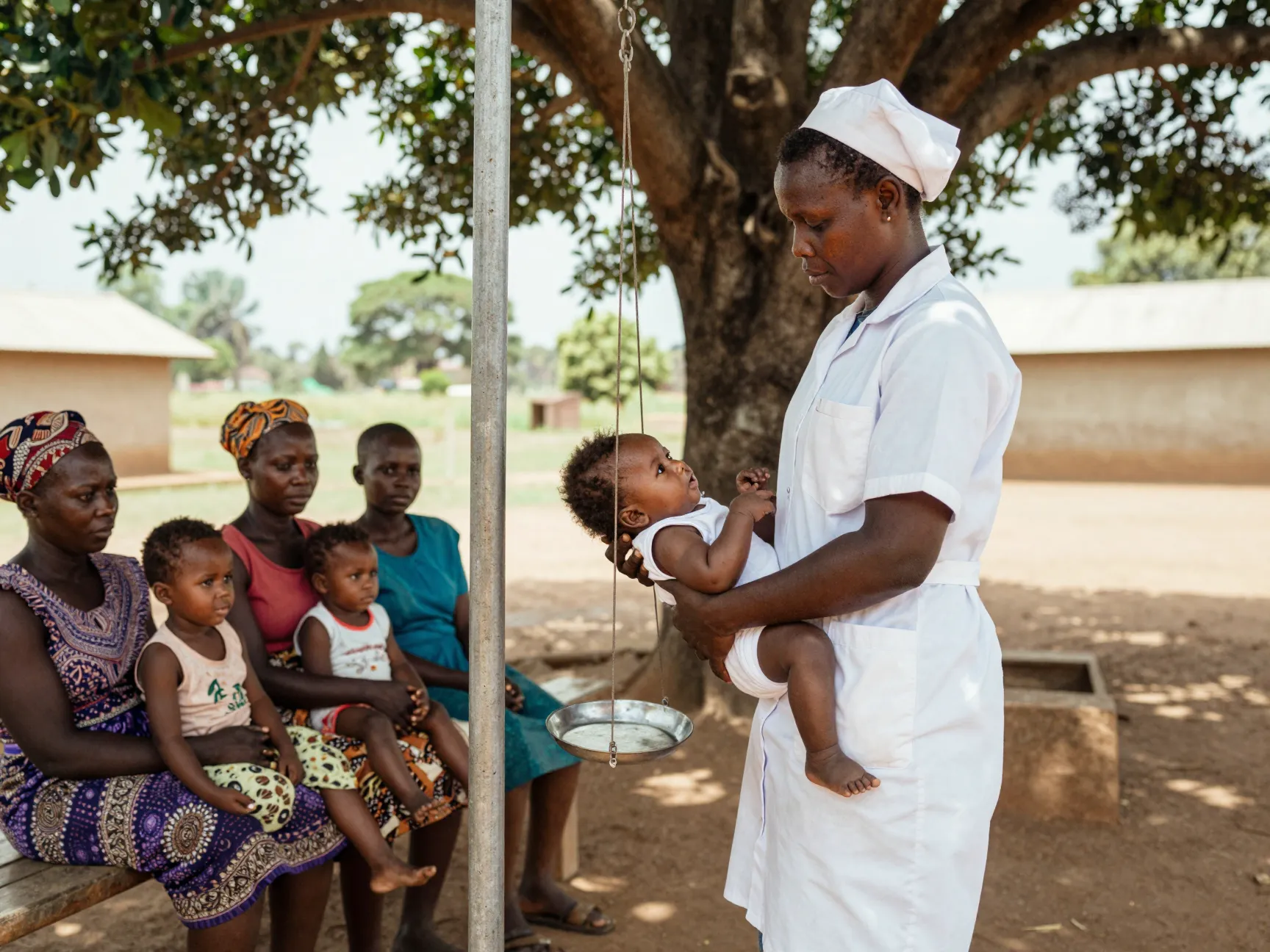
A community health nurse weighing an infant at an outdoor clinic while mothers wait

Selorm, 4 — Northern Region

Twelve weeks of feeding, and a family that stayed together

Selorm was flagged at a monthly weighing session at 9.1 kilograms. His father had already been told by a neighbour that the boy would be better off at a home in Tamale. Twelve weeks of therapeutic feeding and fortnightly visits later he was gaining normally. The conversation about the home was never had again.

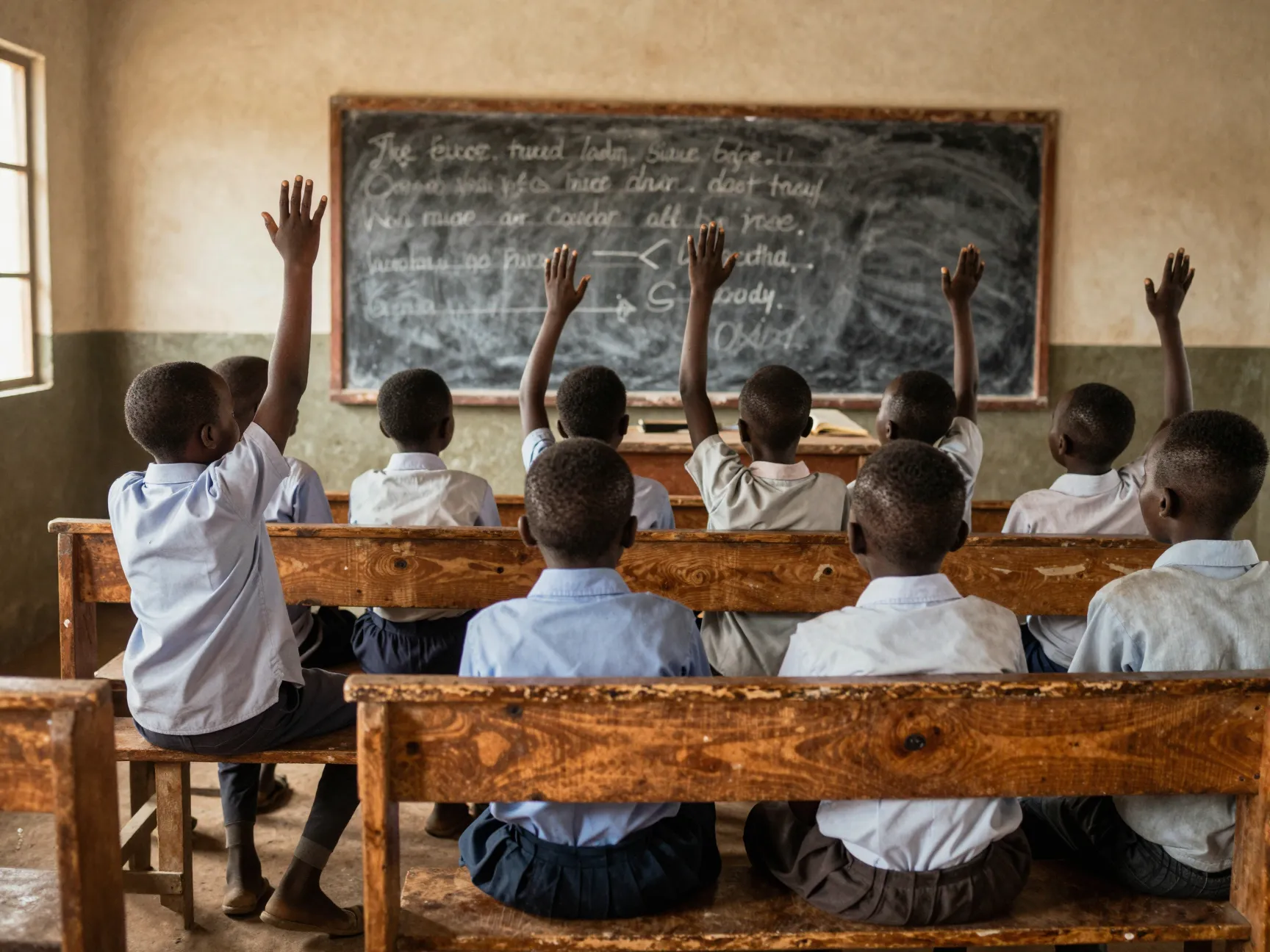
Pupils on wooden benches raising their hands in a rural classroom

Mr Boateng — teacher, Eastern Region

What a teacher sees before anyone else

“I know in the first week of term. The uniform is the old one, the child sits at the back, the exercise book is not replaced. Before, I could only tell the head teacher. Now I can tell somebody who will go to the house.” Mr Boateng has referred 31 children in six years.

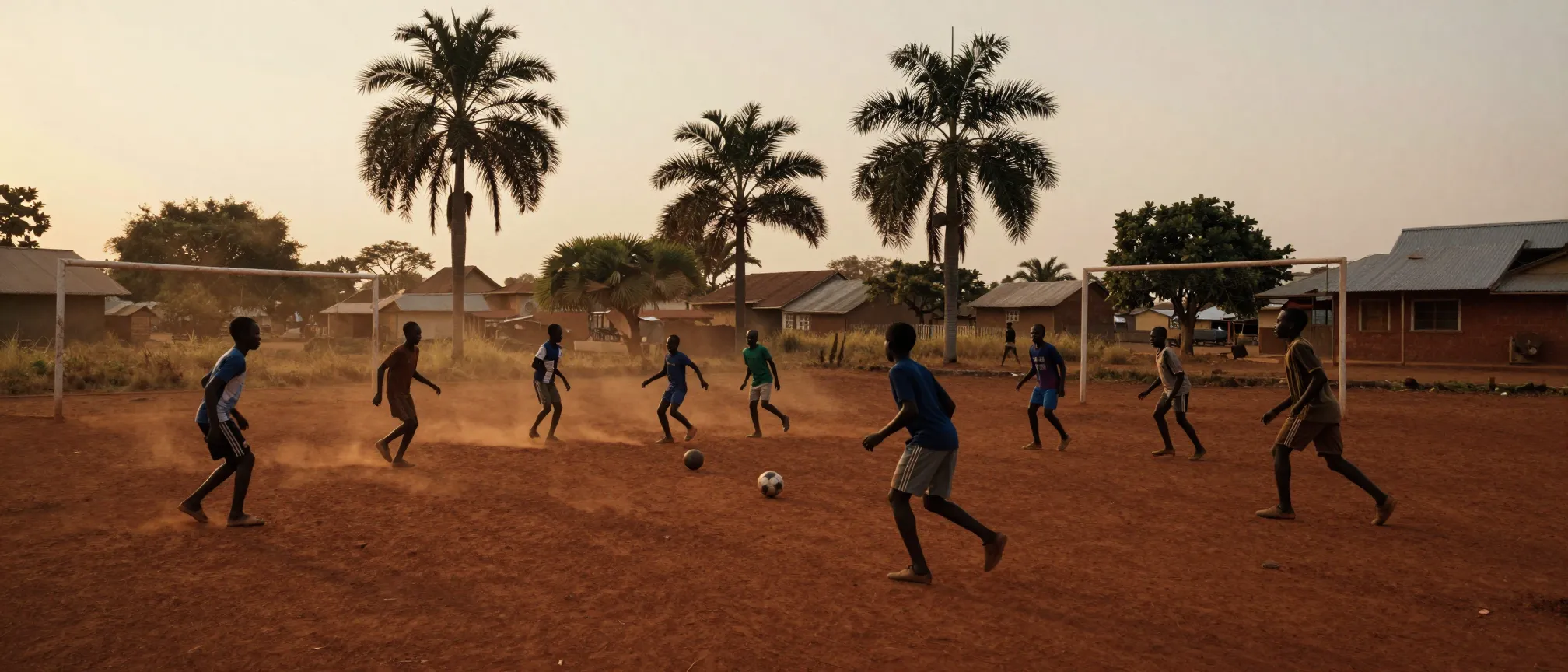
Children playing football on a red dirt pitch at sunset in a Ghanaian village

Asokore — Eastern Region

The first community that no longer needs us

Asokore was where we started, in 2011, with 48 children and no plan beyond the next term. We handed the work over to the district in 2022. Three savings groups still meet weekly, the catch-up class is run by the school, and we visit once a year because they invite us.

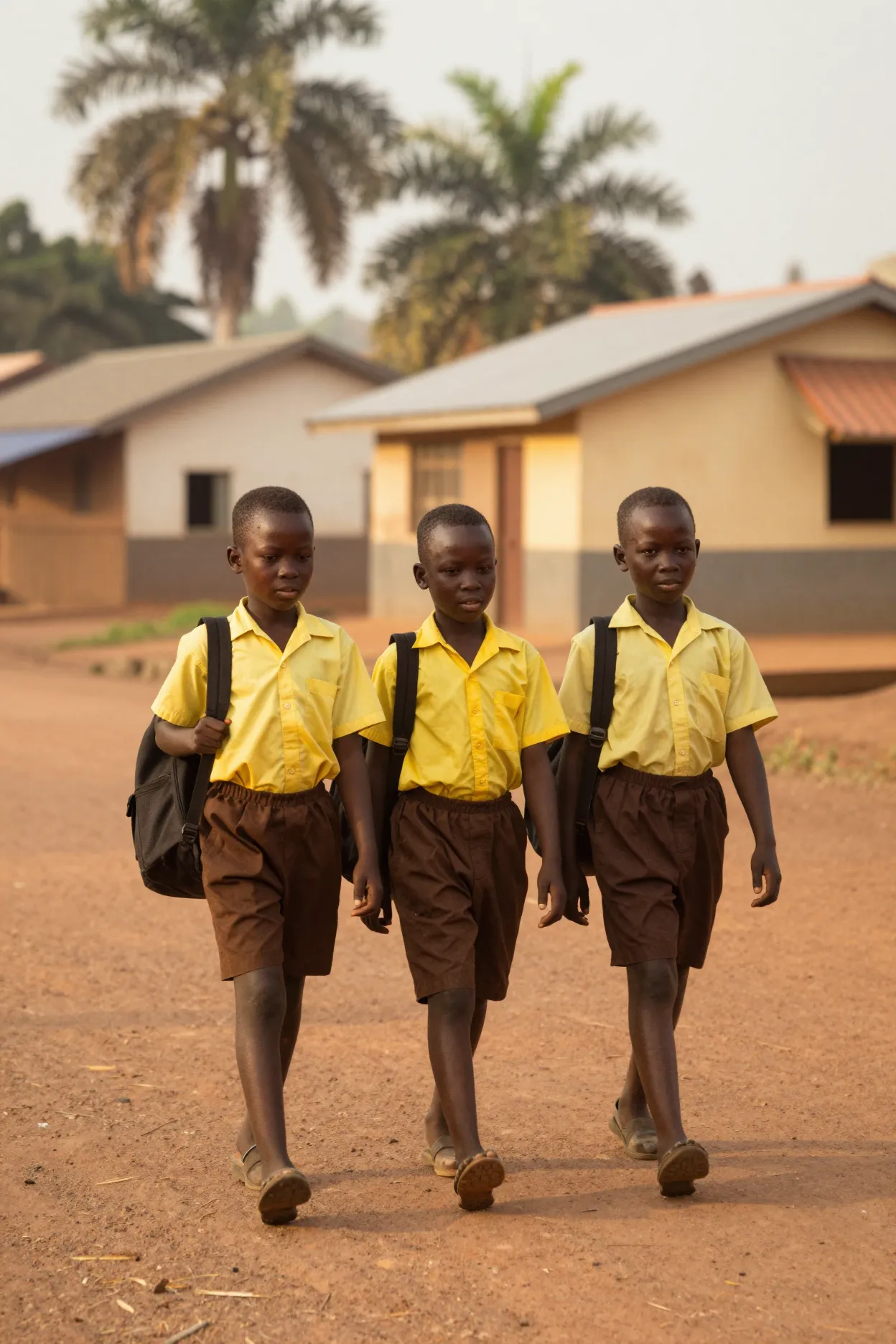
Three children in yellow and brown school uniforms walking to school along a red dirt road

Yaw, Kojo and Musah — Eastern Region

Three boys, one road, three different reasons

They walk to school together every morning and arrived in the programme by three different routes: a father’s illness, a grandmother’s death, and a landlord who raised the rent. One has already left the programme — his mother’s shop now covers the fees — and he still walks the same road.

How we tell these stories

A child cannot meaningfully consent to being a fundraising image. The caregiver can, the child can refuse, and both can change their mind.

  • First names, no locations

    We publish a first name and a region, never a full name, school or village alongside a child’s circumstances.

  • No photographs of children in distress

    No tears, no hunger, no hospital beds, no before-and-after. If a photograph would embarrass the child at eighteen, it does not go on this website.

  • Consent is asked again each year

    Stories and photographs are re-consented annually and removed on request, without the person having to give a reason.

  • Nobody is paid, and nobody is coached

    Quotes are recorded in Twi, Ewe, Dagbani or English and translated by our own staff. Where a translation changes the sense, we publish the original phrasing alongside it.

These are six of 1,248

Most of the children we work with will never appear on a website, which is rather the point. You can still keep one of them in school.