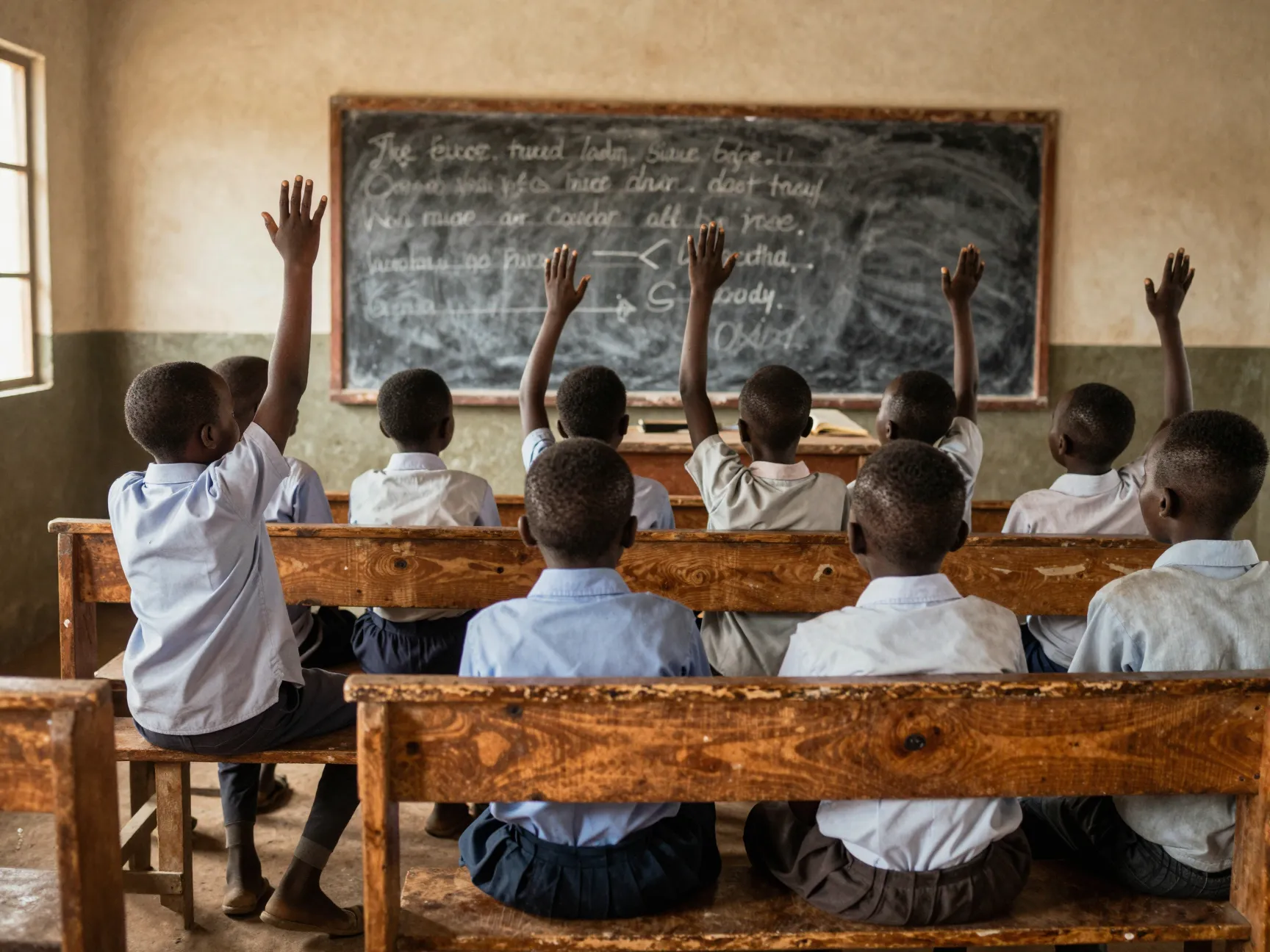
School that does not stop
Fees, uniforms, exercise books and exam registration for 1,248 children — plus after-school catch-up classes for those who lost a year.
- Termly fee guarantee
- Literacy and numeracy catch-up
- Junior high exam sponsorship
A Ghanaian child-welfare organisation
Across six regions of Ghana we work with families before they break apart — paying school fees, treating malnutrition, and helping caregivers earn a living — so that no child has to grow up in an institution to be fed, taught and loved.
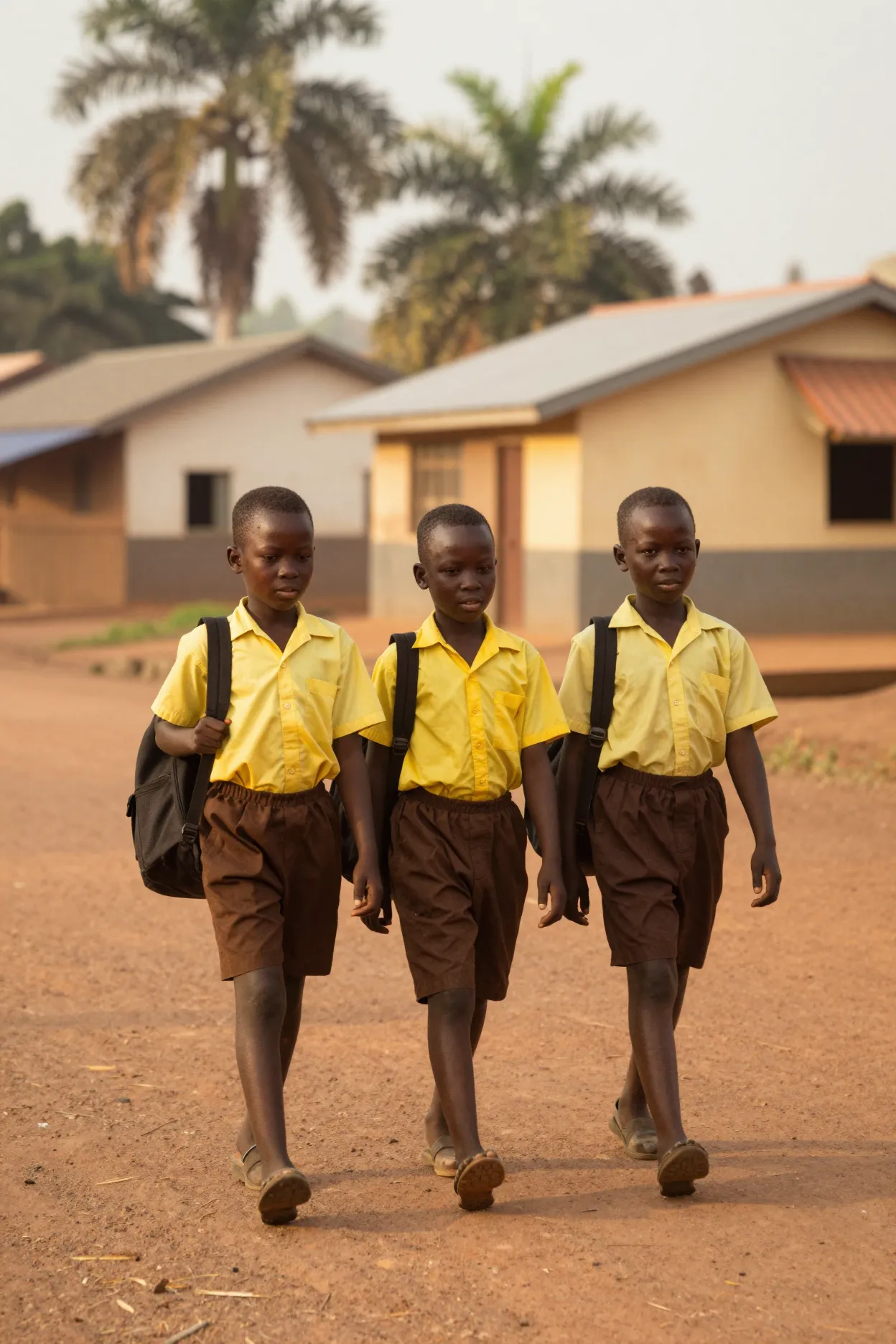
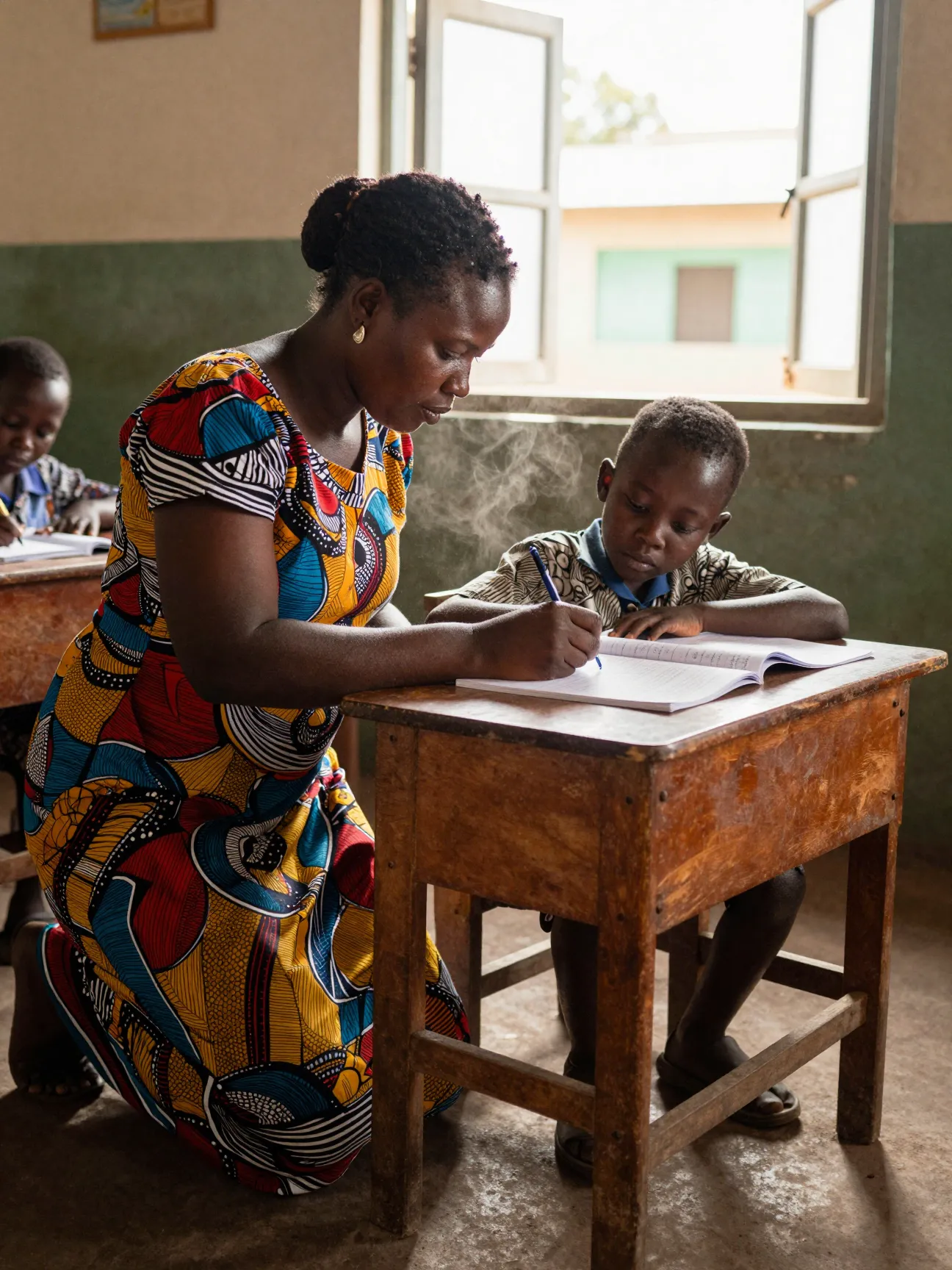
Our name comes from Nsoromma, the Adinkra star — the child of the heavens, watched over through the night.
Poverty separates families far more often than death does. A hospital bill, a failed harvest, one term of unpaid fees — and a child is sent away to be raised by strangers.
We work upstream of that moment. Star Child Care Foundation was founded in Koforidua in 2011 by teachers and community nurses who kept meeting the same child twice: once in the classroom, and again on a list of children about to be given up.
Each programme removes one of the reasons a Ghanaian family gives up a child. They are designed to be handed over — every community we enter has a date we plan to leave.
Fees, uniforms, exercise books and exam registration for 1,248 children — plus after-school catch-up classes for those who lost a year.
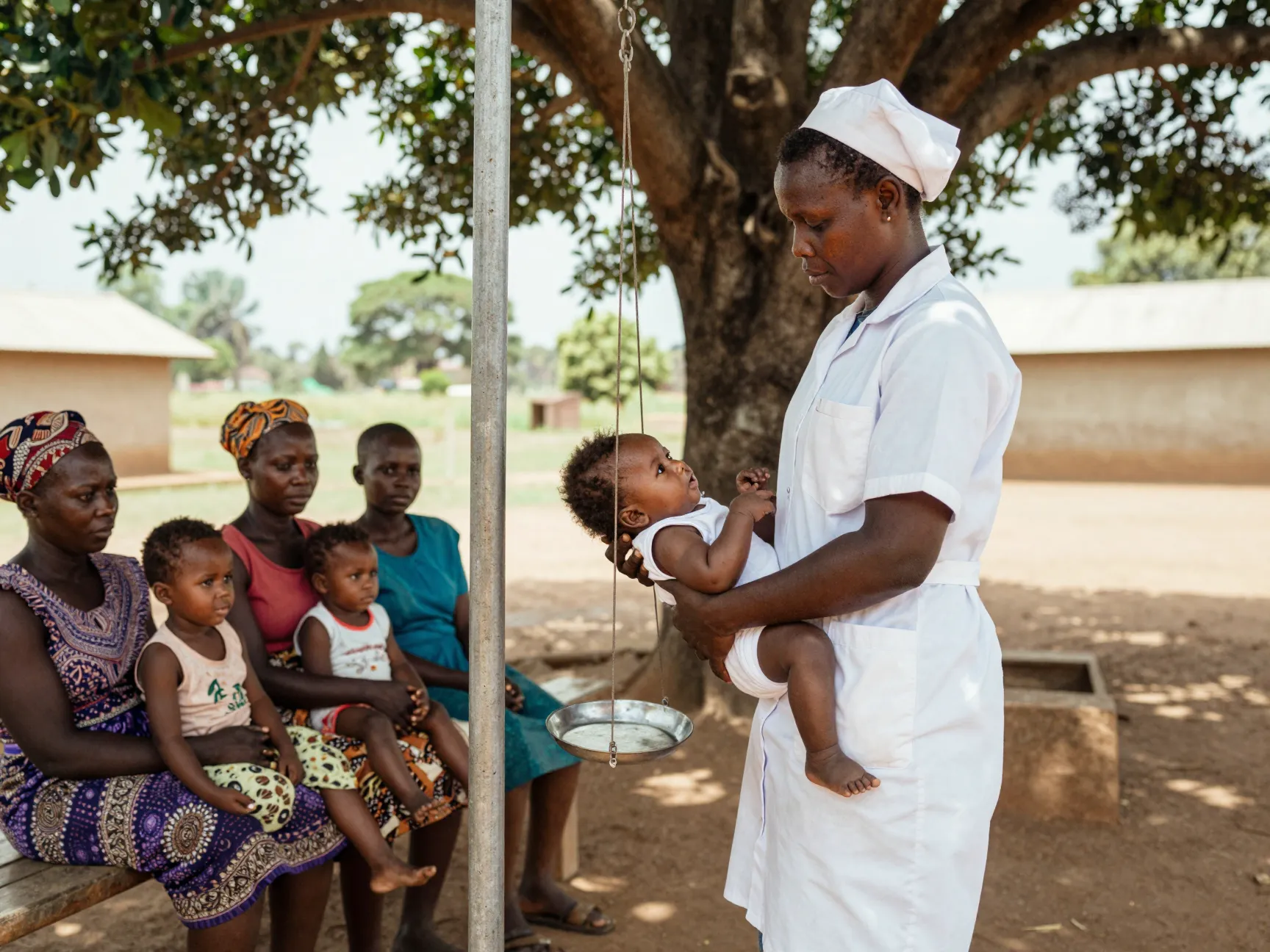
Monthly growth monitoring with district health workers, therapeutic feeding for malnourished under-fives, and health insurance for every child on our roll.
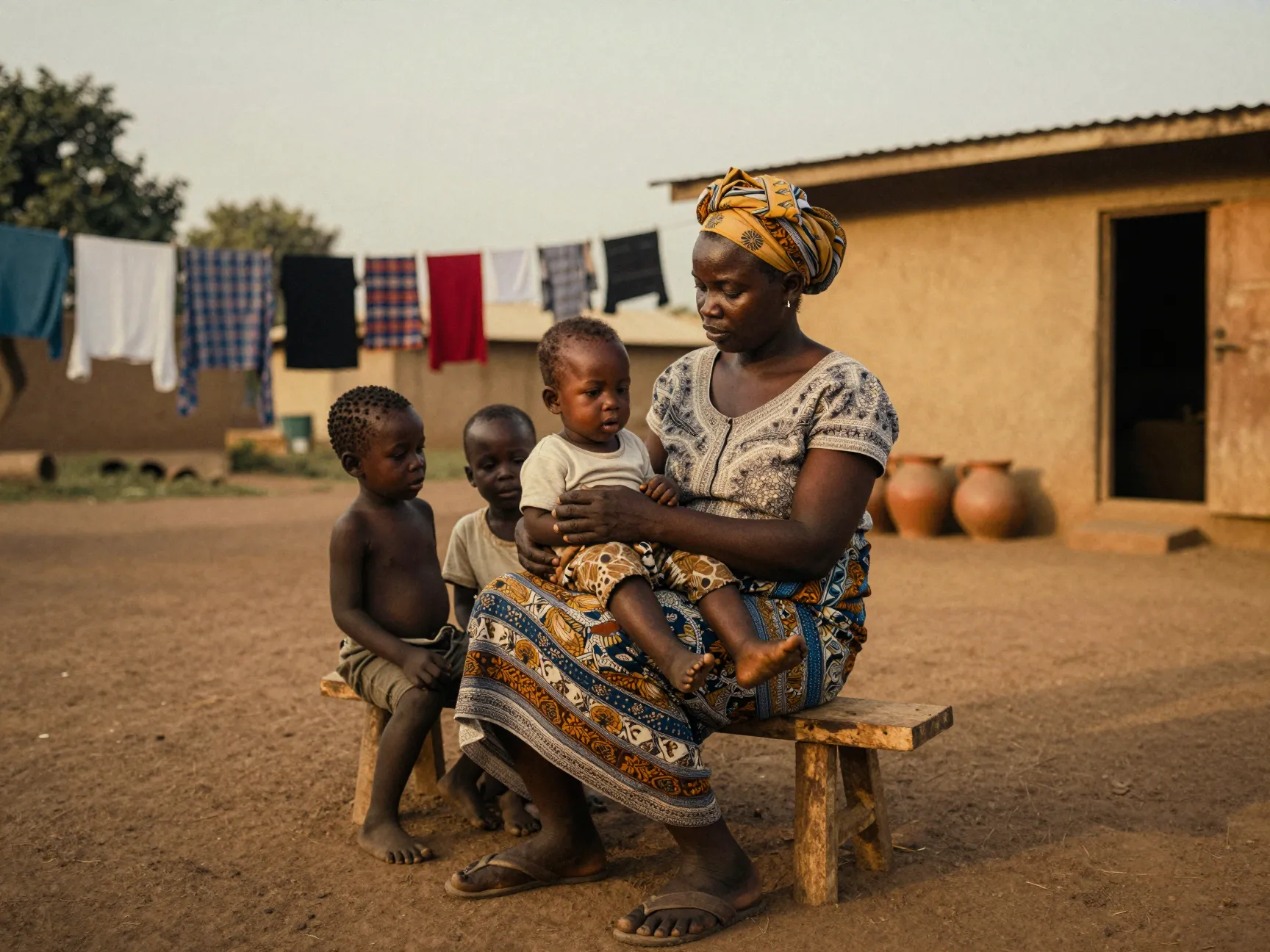
Tracing relatives, preparing kinship carers and supervising reunification — with a social worker visiting every placed child for two full years.
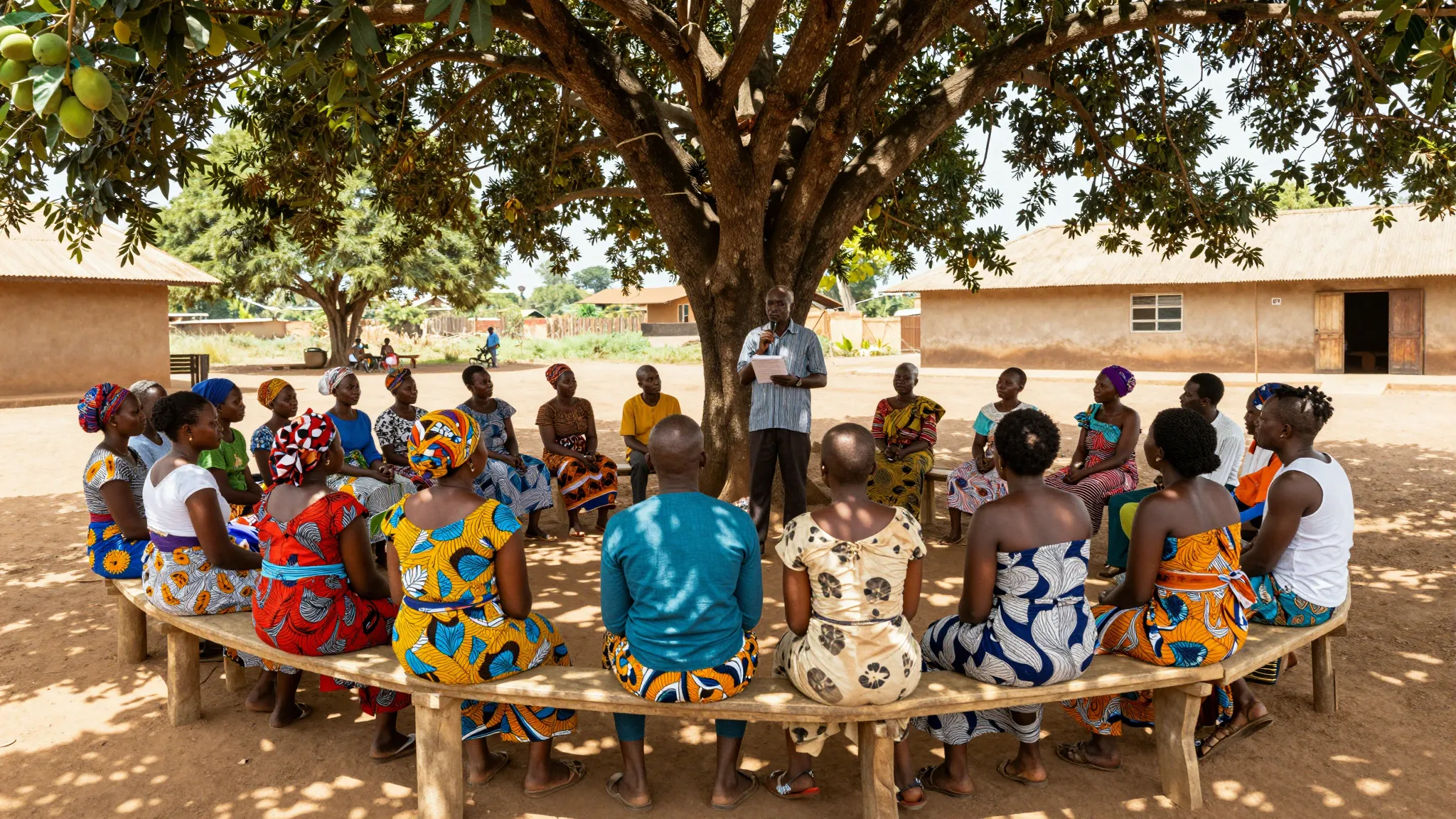
Savings groups, seed capital and business coaching for grandmothers, aunts and single mothers, so the household income survives the next shock.
Figures cover January to December 2025 and are checked against school registers and district health records. Our annual report and audited accounts are published each March. Request the 2025 report
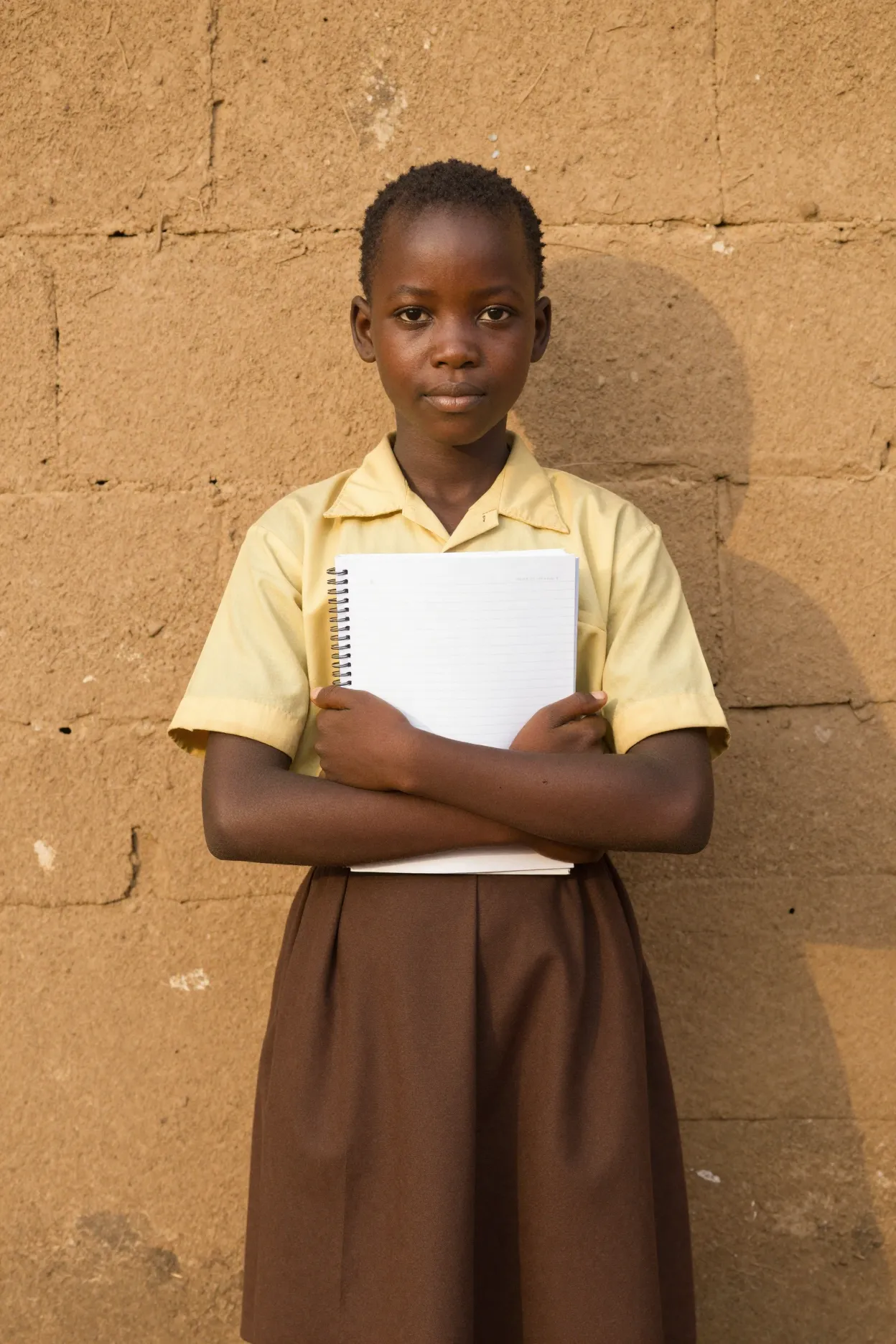
Akosua, 12 — Eastern Region
When my father died they told my mother I should go and live at the children’s home in town. I did not want to go. Now the fees are paid and I sleep in my own house.
Akosua’s mother joined a savings group in 2023 and now sells prepared food at the junction. Akosua sat her final primary exams last June and wants to train as a midwife.
Read more stories from our communitiesWe are registered and headquartered in Koforidua, with field offices in Accra and Tamale. Every placement is made jointly with the Department of Social Welfare in that district.
Gifts are received in Ghana cedis and US dollars. 86 pesewas of every cedi reaches programme work; the rest covers audit, transport and the three staff who run it.
GH₵ 150 · $12
Exercise books, pens, a school bag and the term’s examination fee for one pupil.
Give GH₵ 150Most chosen
GH₵ 400 · $32
Fees, uniform, a daily meal and a social worker’s monthly home visit for one child.
Give monthlyGH₵ 1,800 · $145
Seed capital and coaching for one caregiver’s small business — the whole household.
Give GH₵ 1,800We are small on purpose. The support that helps most is steady, and the partnerships that help most are long.
Schools, churches, diaspora associations and companies fund a community for three years at a time.
How partnerships workQualified teachers, social workers and nurses join field placements of six weeks or more.
Volunteer requirementsRun, bake, sing or sponsor a walk. We will send photographs of the community you funded.
Ways to fundraise