Star Child Care Foundation · Ghana

Our work

Four programmes, one purpose.

Children are rarely given up for one big reason. They are given up for a specific, solvable one. Each of our programmes removes a different one of those reasons.

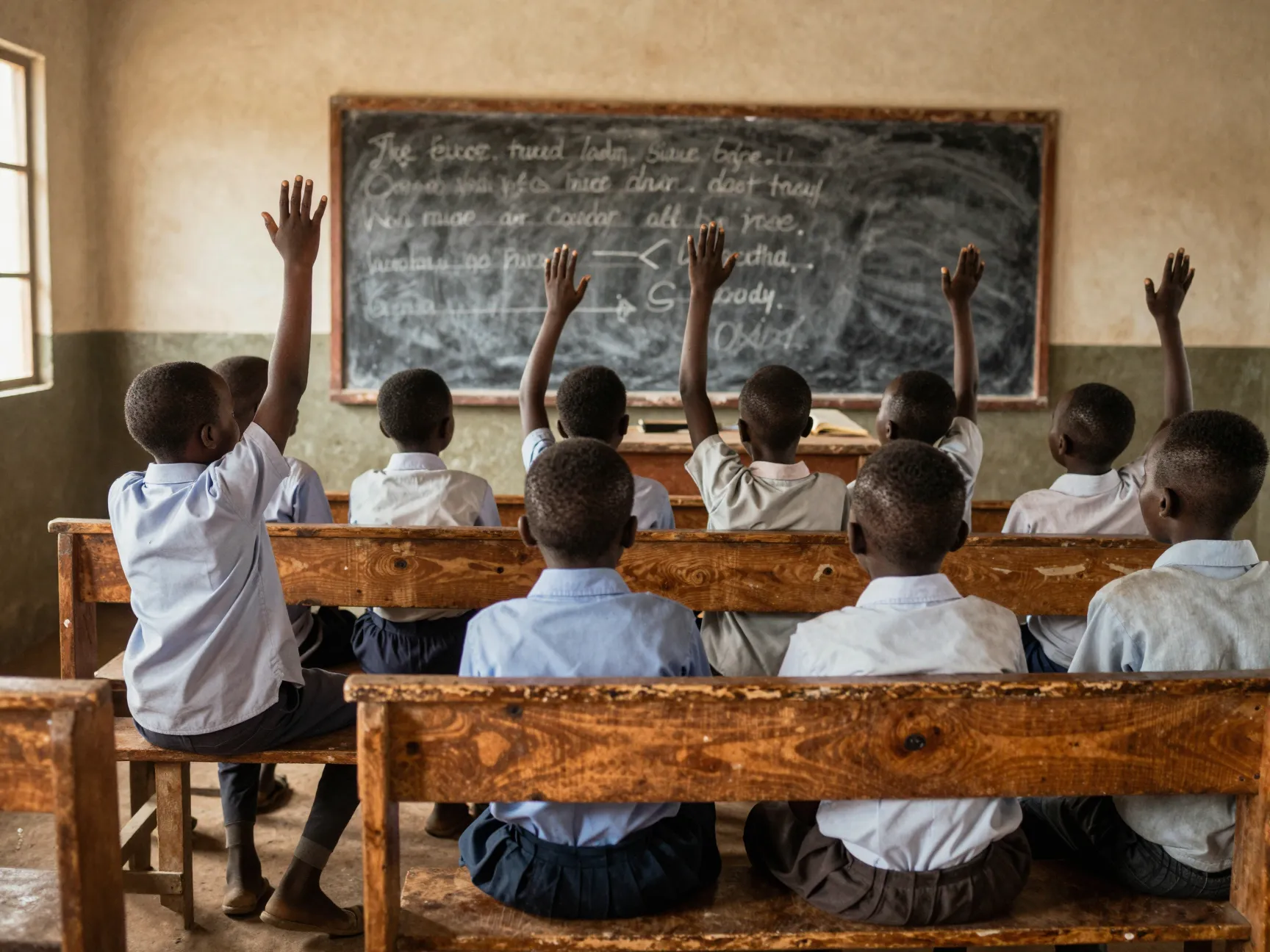
Pupils on wooden benches raising their hands in a rural classroom

School that does not stop

In Ghana basic school is free, and it is still expensive. Uniforms, exercise books, examination registration, a levy for the watchman, shoes that fit this year. A family that cannot find that money keeps the child at home, and a child kept at home for two terms rarely returns.

We pay those costs directly to the school, every term, for as long as the child stays enrolled. Where a child has already lost a year, they join a catch-up class of eight to twelve pupils run by a local teacher after the school day.
  • Reaches1,248 children in 26 communities
  • CostGH₵ 1,450 per child per year, paid termly
  • Run byTwo field coordinators and 19 contracted local teachers
  • Measured byTermly school register checks, not self-reporting
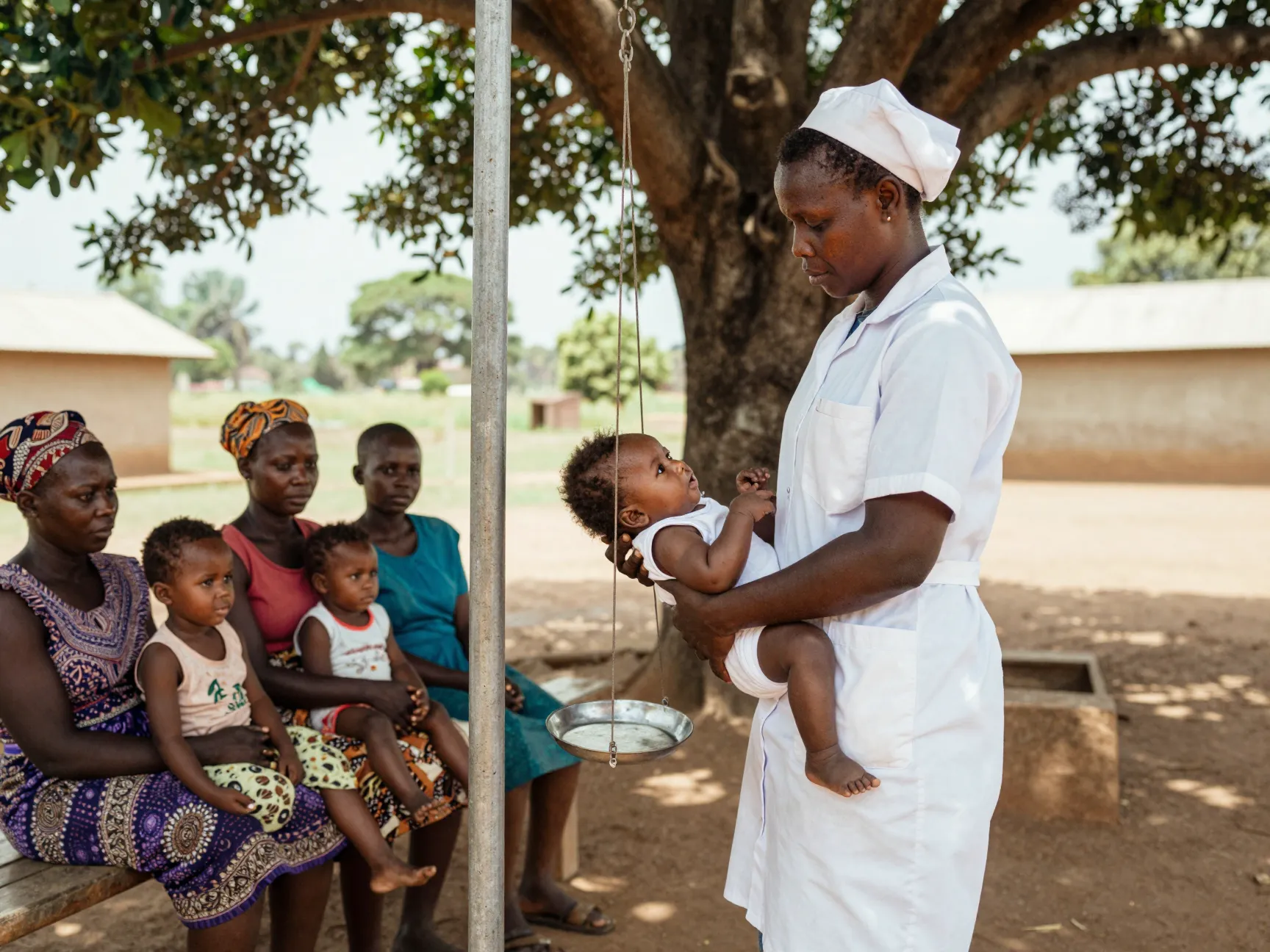
A community health nurse weighing an infant at an outdoor clinic while mothers wait

Health and nutrition

A sick child empties a household’s savings faster than anything else, and a malnourished under-five is the single strongest predictor that a family will separate within the year.

Our community health officers work alongside district health workers at monthly weighing sessions. Children who fall below the line receive therapeutic feeding and a fortnightly home visit until they recover. Every child on our roll is registered and kept current on the National Health Insurance Scheme.

  • Reaches1,248 children, plus under-fives in the same households
  • CostGH₵ 380 per child per year including NHIS
  • Run byThree community health officers with district health teams
  • Measured byWeight-for-age records held by the district, not by us
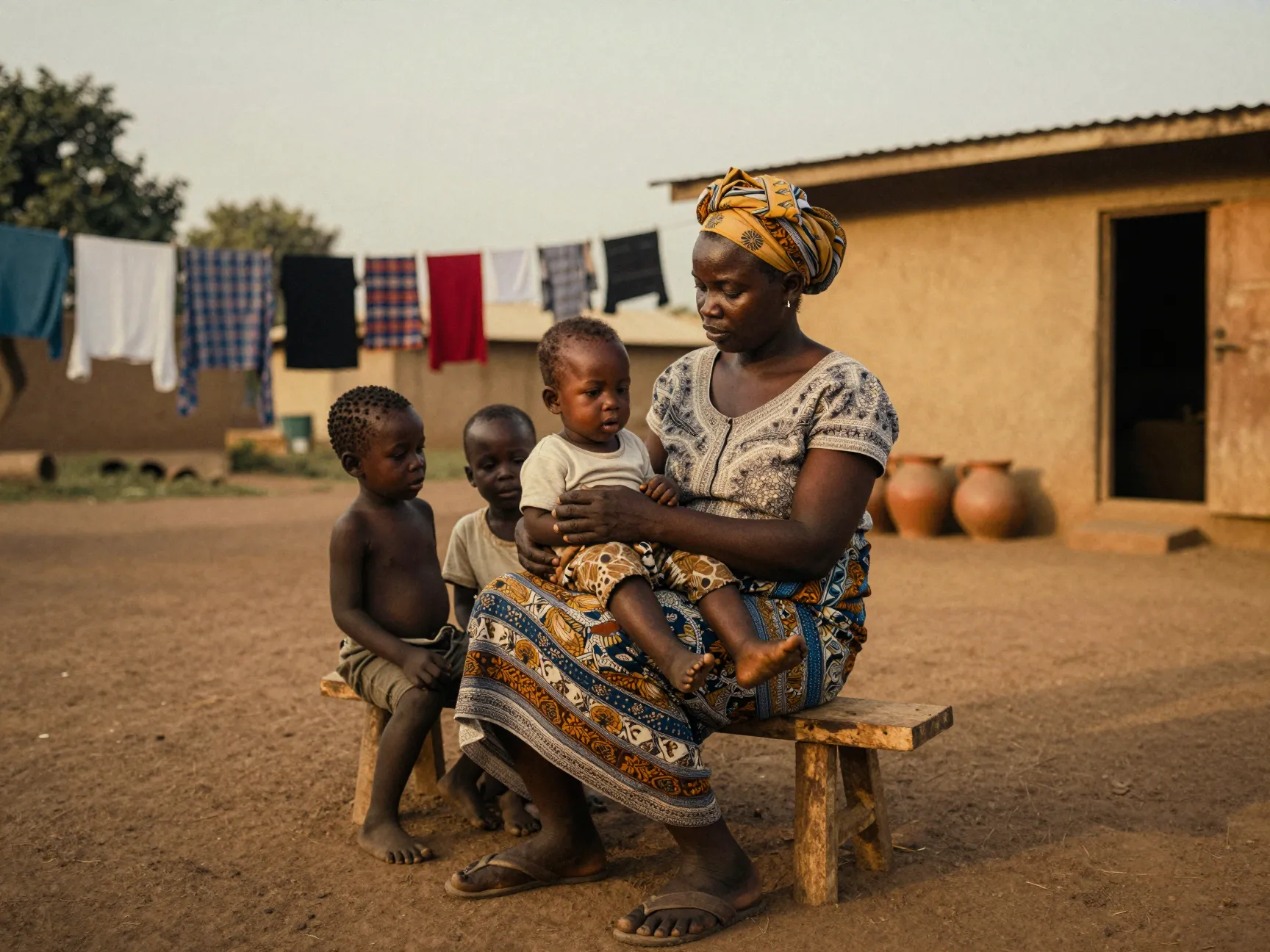
A caregiver sits on a low bench in a compound courtyard with three young children

Family-based care

When a child has already been separated — living in a residential home, or moved between households — we work to return them to family. That means tracing relatives, assessing whether a placement is safe, and preparing both the child and the carer before anything moves.

Reunification is not an event. A social worker visits every placed child at home for two years, unannounced at least twice a year, and the placement can be reversed at any point. Where no safe family placement exists, we work with the district on approved foster care.

  • Reaches187 children reunited in 2025; 214 under active follow-up
  • CostGH₵ 4,900 per reunification including two years of visits
  • Run byFour qualified social workers with district Social Welfare
  • Measured byPlacement stability at 6, 12 and 24 months
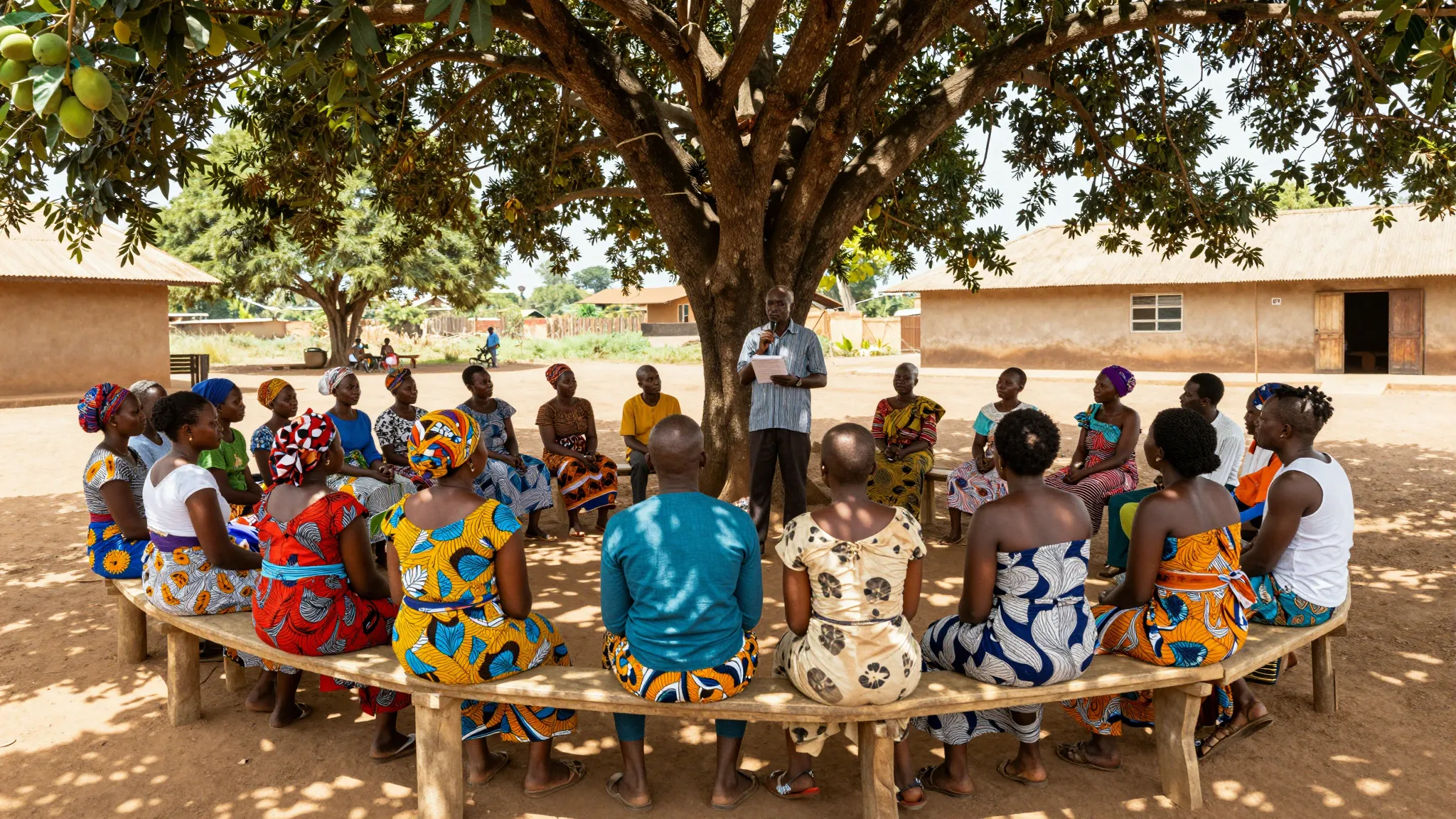
Community members seated in a circle under a large mango tree during a village meeting

Livelihoods for caregivers

Paying a child’s school fees for ten years is not a solution. Getting the household to the point where it pays them without us is.

Caregivers — mostly grandmothers, aunts and single mothers — form savings groups of fifteen to twenty-five members. The group saves weekly, lends to its own members, and keeps its own books. After two savings cycles, members can apply for a one-off start-up grant for a trade they are already running.

  • Reaches312 caregivers in 19 savings groups
  • CostGH₵ 1,800 per caregiver, one-off, including coaching
  • Run byTwo livelihoods officers; groups run themselves after a year
  • Measured byHouseholds paying their own school costs at 24 months

How a family joins

Families are not selected by us from a distance. The sequence below takes between three weeks and three months, and it is the same in every district.

  • 1. The community decides it wants us

    We hold an open meeting with the chief, the assembly member, head teachers and the district Social Welfare office. If the community does not want a programme, there is no programme.

  • 2. The community names the children

    A committee of teachers, health workers and community members identifies the children most at risk of separation. We do not overrule that list, though we do check it.

  • 3. A social worker visits every household

    One visit, at home, with the caregiver and the child separately. What is actually going wrong is almost never what the list says.

  • 4. A plan is written with the caregiver

    It names what we will pay for, for how long, what the household will do, and what needs to be true before we stop. The caregiver keeps a copy.

  • 5. Review every six months

    Against the plan, with the caregiver present. Children leave the programme when the household can carry the costs — roughly one in five each year.

What we do not do

Some of the most popular ways to help Ghanaian children cause harm. We decline them, including when they come with funding.

  • We do not build or fund children’s homes

    Ghana has more residential homes than it has children who need them. Most of the children inside have families. Building more creates demand for children to fill them.

  • We do not host volunteer trips with children

    Short visits by strangers are damaging for children who have already lost people. Qualified professionals on placements of six weeks or more are welcome.

  • We do not run child sponsorship with photographs and letters

    Naming and photographing a child for a donor puts the child’s privacy second. You can fund a child’s costs; you cannot be sent their picture.

  • We do not distribute donated clothes or shoes from abroad

    Shipping used goods to Ghana costs more than buying new ones in Koforidua, and it puts local traders — often the caregivers in our own savings groups — out of work.

A term costs less than a tank of fuel

GH₵ 150 covers a pupil’s books, bag and examination fee for one term. GH₵ 400 a month keeps a child in school, fed and visited.